
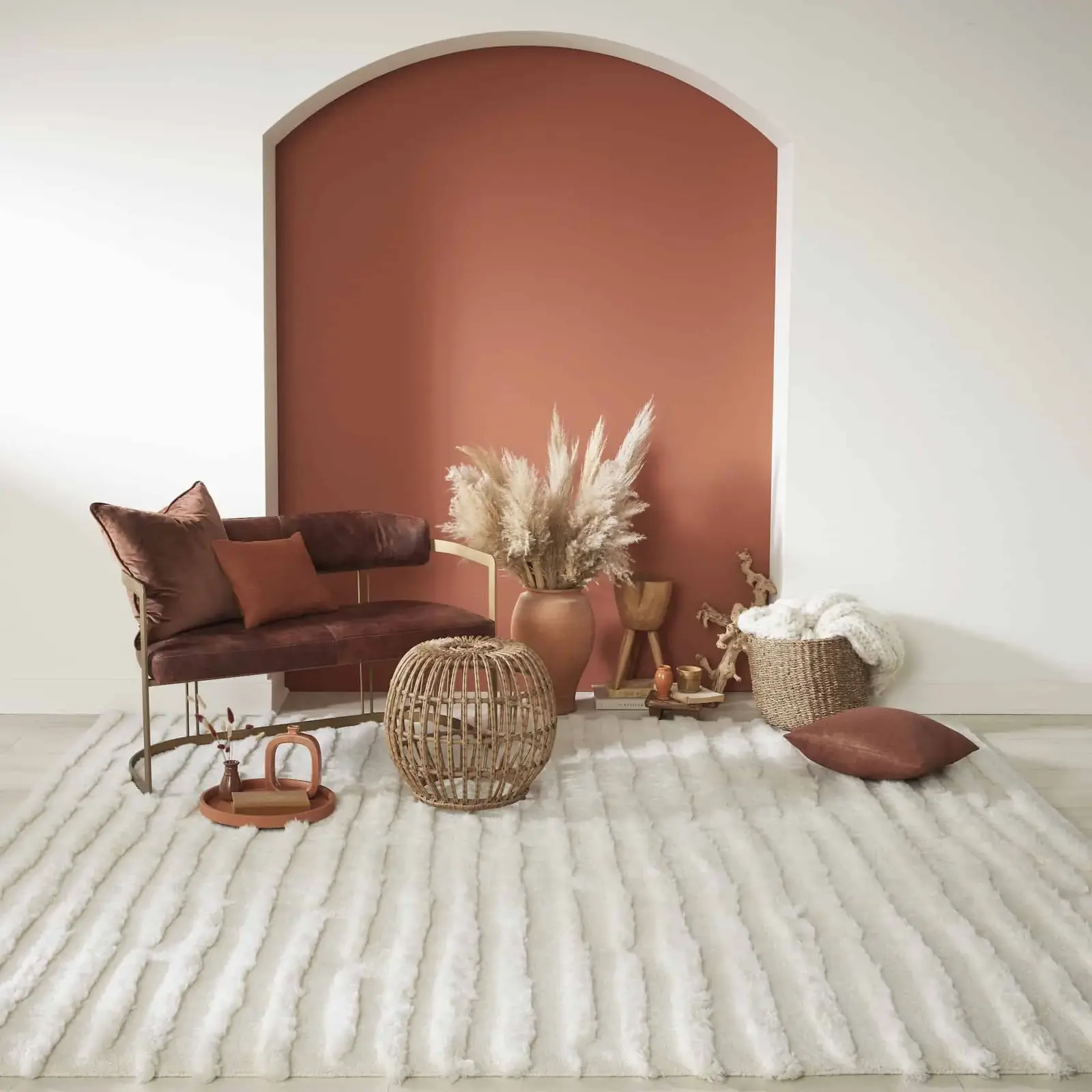
In an era dominated by synthetic innovations, one of the most remarkable materials available today is also one of the oldest. Wool has clothed civilization, sheltered nomads, and added warmth to human dwellings for thousands of years. Far from being a relic of the past, this natural miracle fiber remains the gold standard across two demanding worlds: high-performance fashion and luxury flooring.
To understand why wool continues to outperform modern synthetics, one must look closely at its rich heritage, its unique biological structure, and how brands like Kaleen harness this fiber to create extraordinary floor coverings for the modern home.
A Brief History of Civilization's Favorite Fiber
Long before industrial mills or petroleum-based synthetics existed, sheep wool was fundamentally altering human history. The domestication of woolly sheep began around 10,000 BC during the Neolithic Revolution in Central Asia. Early humans quickly recognized that unlike hides, which required hunting an animal, wool was a renewable resource harvested annually without harm.
By the Bronze Age, spinning and weaving wool had become central to trade networks across the Mediterranean and Middle East. The Romans prized fine wool, establishing massive production centers across their empire. During the Middle Ages, wool became the economic engine of Europe. The English economy was so heavily reliant on the wool trade that the presiding officer of the House of Lords sat upon a sack of wool, known as the Woolsack, a tradition that survives in British parliament to this day.
As weaving technology evolved, wool transformed from a simple necessity into a canvas for artistry. Intricate Persian tapestries, heavy European drapery, and detailed floor coverings flourished because wool fibers took dyes so brilliantly and held their structural form for decades.
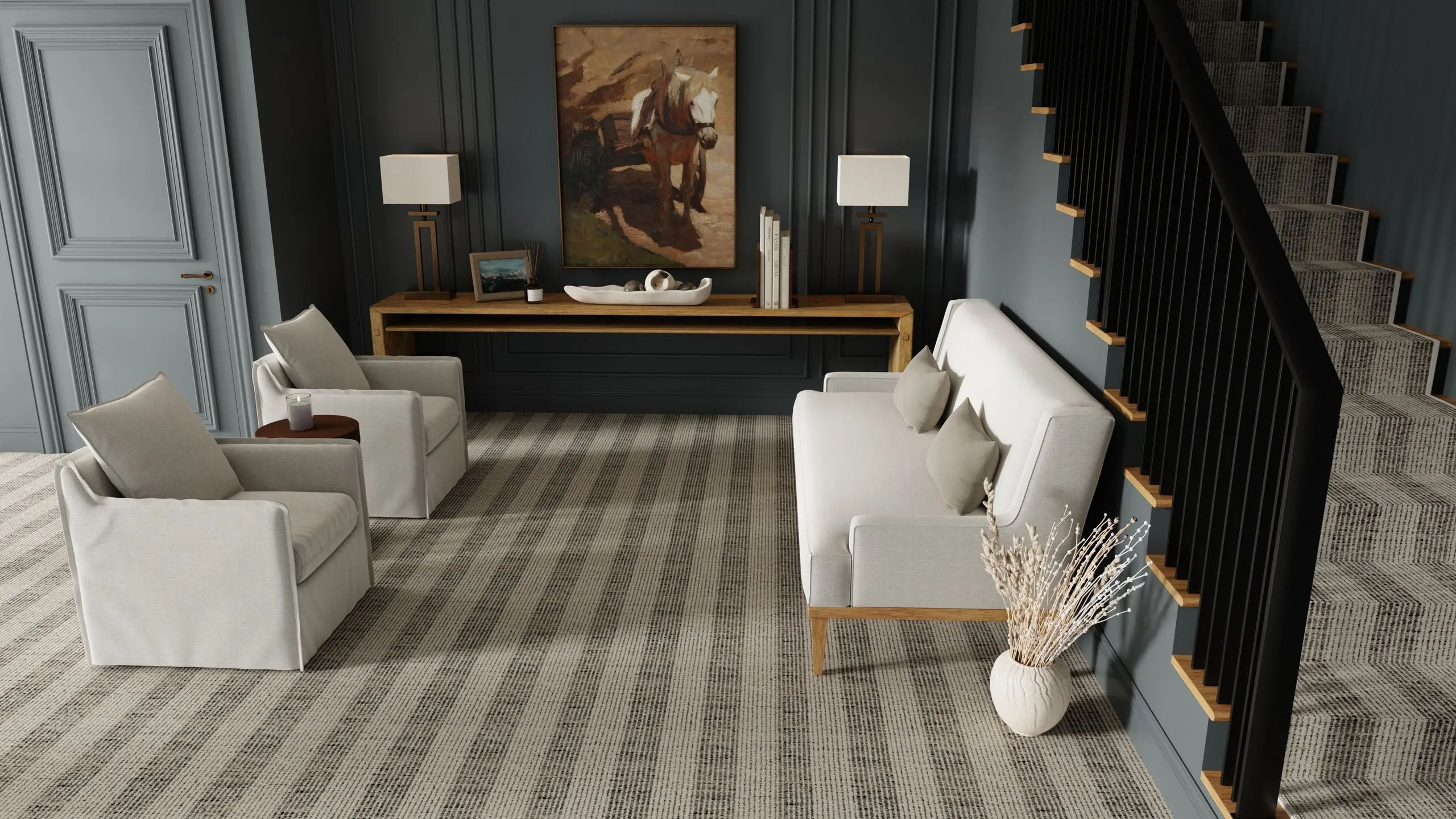
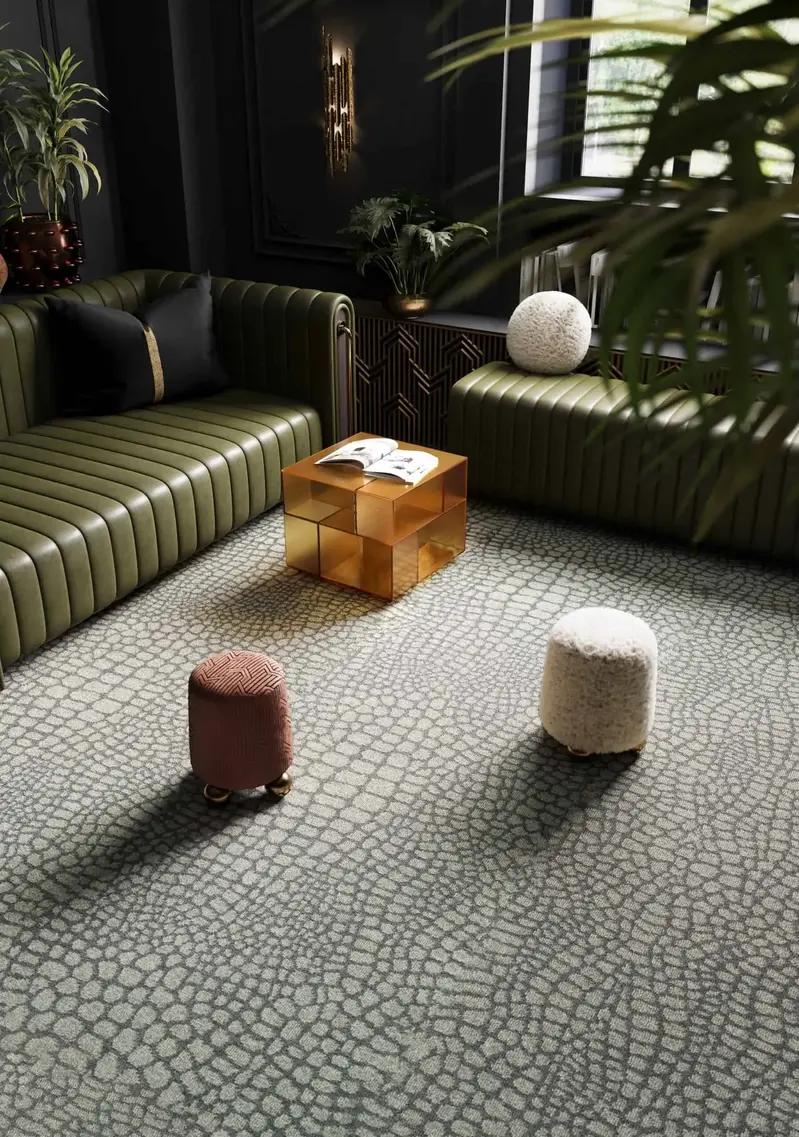
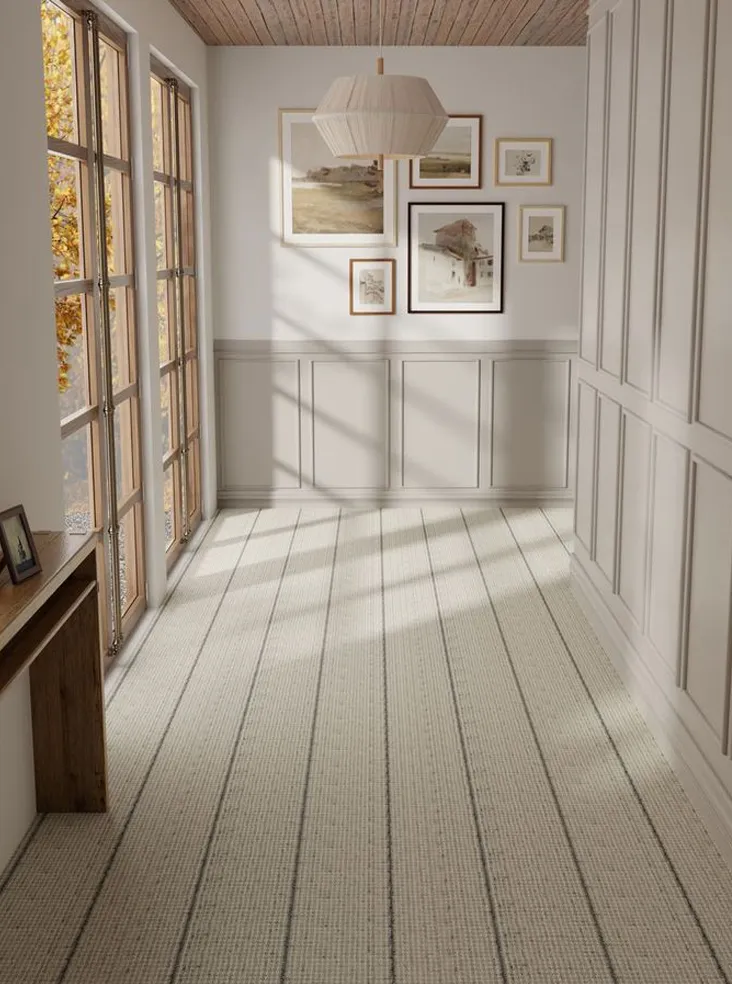
Belmond Scotsman in Charcoal | Kaleen Broadloom
The Magic Structure: What Makes Wool Unique
At a microscopic level, a single strand of wool is an architectural marvel. Unlike flat, smooth synthetic fibers like nylon or polyester, wool possesses a complex 3D helical structure with a natural spring-like crimp.
Natural Elasticity: The coiled protein structure allows wool fibers to be stretched up to 30 percent beyond their length without breaking, instantly snapping back to their original shape when released.
Microscopic Scales: The outer layer consists of overlapping scales coated in a natural waxy membrane that repels liquid droplets while allowing moisture vapor to pass through.
Hydrophilic Core: The inner core absorbs up to 30 percent of its weight in moisture vapor without feeling damp or clammy to the touch.
This complex biological balance creates a self-regulating environment, whether worn as a fine tailored suit or woven into a plush broadloom carpet.
The Supreme Choice for Clothing and Interiors
The exact physical characteristics that make wool an exceptional fiber for luxury garments make it equally extraordinary underfoot.
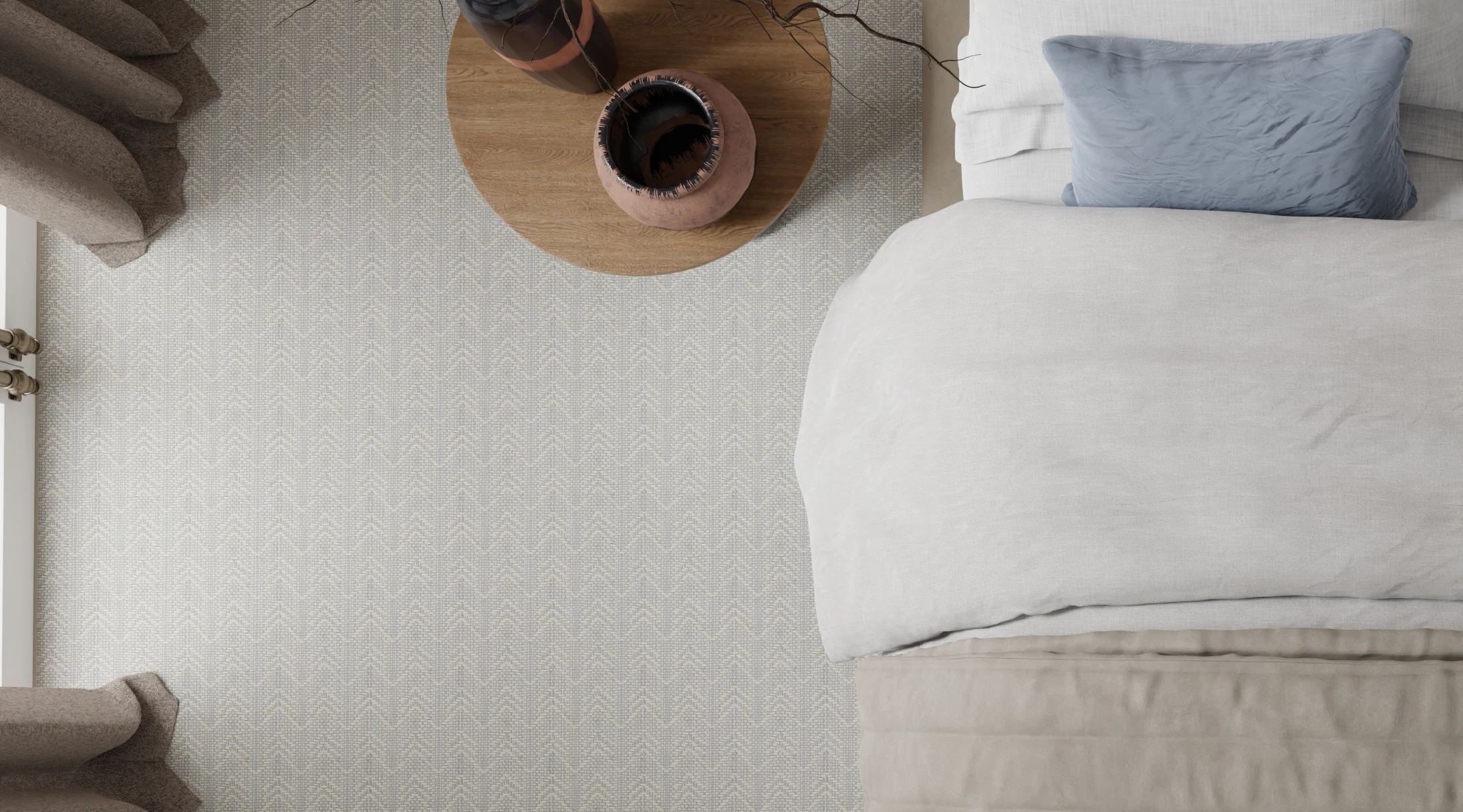
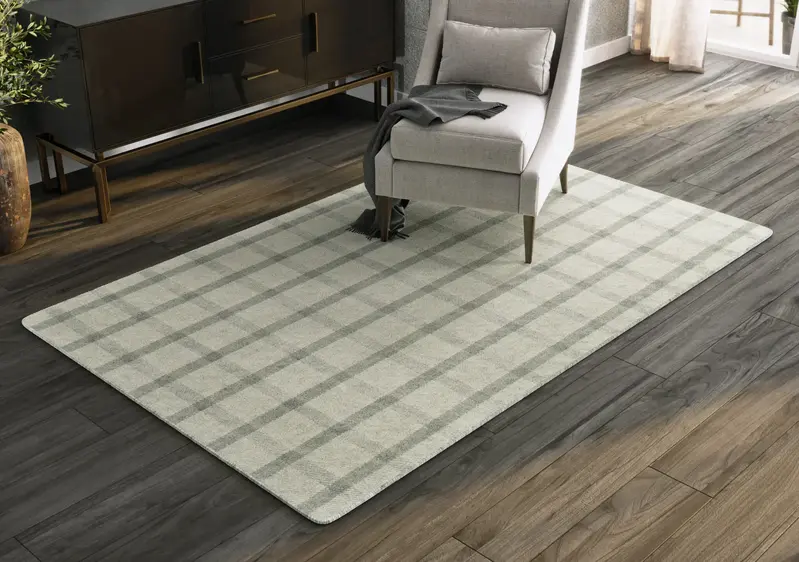
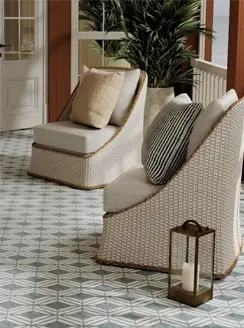
Avalon in Robin's Egg | Hook & Beam
Unrivaled Resilience and Pile Recovery
Foot traffic, heavy furniture, and daily life put tremendous stress on floor coverings. Synthetic fibers often crush over time, leaving unsightly matting in high-use areas. Wool's natural crimp acts like millions of miniature springs. When stepped on, the fibers compress and bounce right back, maintaining their lofty texture and original appearance for decades. This inherent bounce-back also allows wool to recover beautifully after compression from heavy furniture.
Natural Indoor Air Quality Improvement
Wool acts as a natural air purifier. Its complex amino acid structure absorbs common indoor pollutants like volatile organic compounds (VOCs), formaldehyde, nitrogen dioxide, and sulfur dioxide, locking them away for up to 30 years without re-releasing them into the home.
Flame Resistance and Safety
Safety is paramount in interior architecture. Wool is naturally flame retardant due to its high moisture content and high ignition threshold. It does not ignite easily, melts far less readily than synthetic alternatives, and self-extinguishes when the flame source is removed.
Crafting Beautiful Interiors with Kaleen
Understanding the raw power of wool is one thing; shaping it into elevated interior design is another. This is where Kaleen excels. By pairing hand craftsmanship with premium wool and wool blends, Kaleen transforms raw fibers into rich, textural floor coverings that bring warmth, depth, and character to any room.
Whether you are looking to install wall-to-wall broadloom or need a tailored centerpiece for a room with unique dimensions, Kaleen carpets and custom rugs offer exceptional versatility.
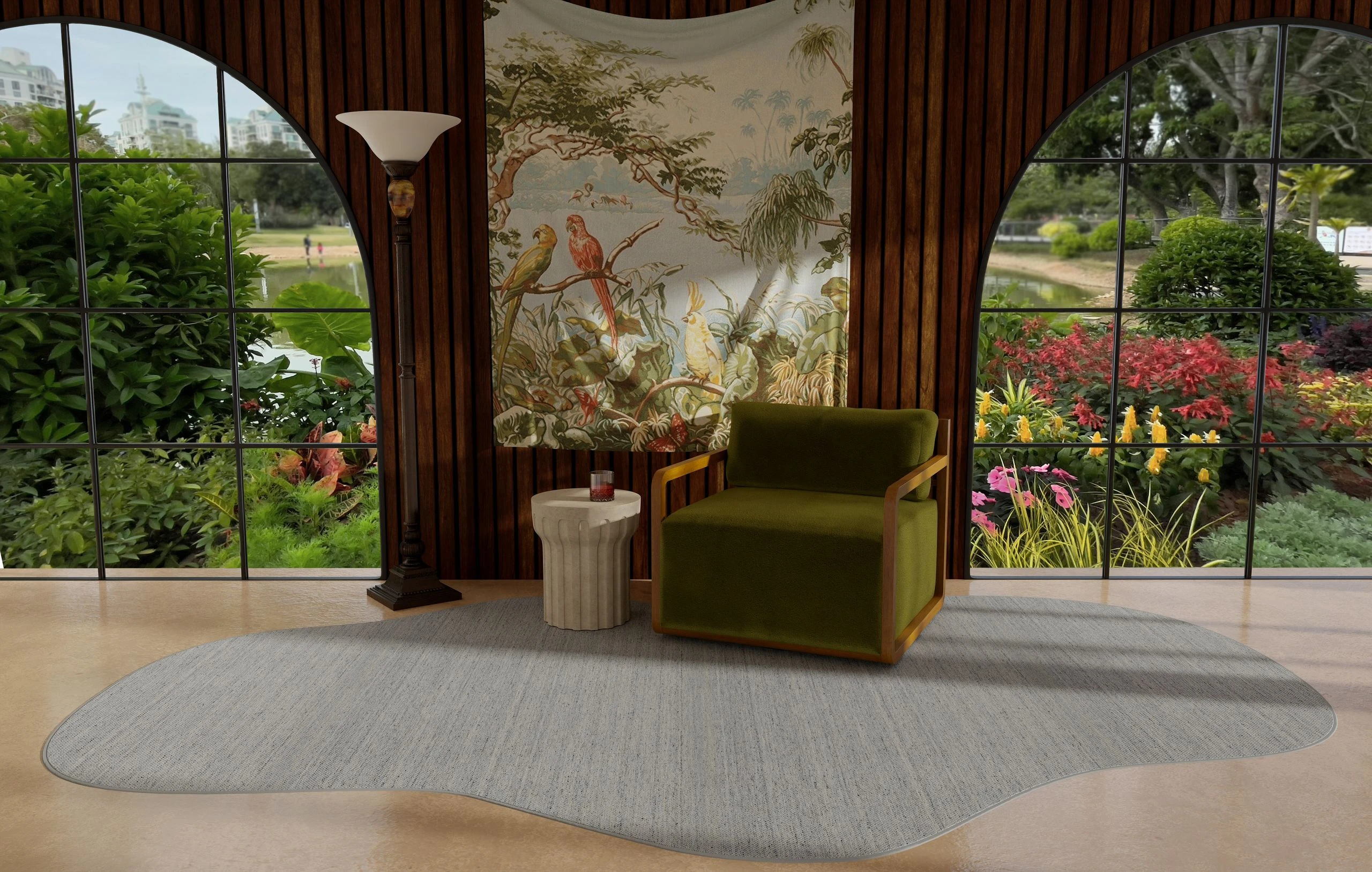
Versatility at its Best
One of the greatest advantages of Kaleen's high-quality wool broadloom is its adaptability. Every home layout is distinct, and off-the-shelf rug sizes often fail to fit grand living spaces, angled foyers, or complex dining rooms properly.
In addition to offering many broadloom styles in 22-foot widths, Kaleen can transform any collection into a custom-sized and custom-shaped area rug. Whether creating precise shapes for awkward layouts or designing seamless stair runners, Kaleen allows interior designers and homeowners to specify exact dimensions. The result is a unique, handcrafted rug that grounds the room perfectly while delivering all the natural, long-lasting benefits of wool underfoot.
A Proven Performer
From ancient trade routes to modern luxury interiors, wool has demonstrated its timeless value. Whether tailored for fine apparel or handcrafted into custom floor coverings by Kaleen, wool remains nature's ultimate high-performance fiber, offering a rare blend of heritage, durability, and tactile beauty.
Frequently Asked Questions
1. How far back does the history of using wool go?
The domestication of woolly sheep began around 10,000 BC in Central Asia during the Neolithic Revolution. Early humans realized that wool was a unique, renewable resource that could be harvested annually without harming the animal.
2. Why was wool so important to historical economies like ancient Rome and medieval England?
Wool was considered a vital economic engine for trade. The Romans established large production centers across their empire, and medieval England's economy relied so heavily on the wool trade that the presiding officer of the British House of Lords still sits on the "Woolsack," a ceremonial seat filled with wool.
3. What makes wool's microscopic structure different from synthetic fibers?
Unlike flat, smooth synthetic fibers like nylon or polyester, a wool fiber features a complex 3D helical structure with a natural, spring-like crimp, overlapping outer scales, and a moisture-absorbing inner core.
4. How does wool handle high foot traffic and heavy furniture in a home?
Wool's natural crimp acts like millions of microscopic springs. When compressed by footsteps or heavy furniture, the fibers flex and bounce back to their original shape, preventing the unsightly matting and flattening common with synthetic rugs.
5. Can wool carpets help improve indoor air quality?
Yes. Wool acts as a natural air purifier. Its complex amino acid structure absorbs common indoor pollutants, such as volatile organic compounds (VOCs), formaldehyde, and nitrogen dioxide, and locks them away for up to 30 years without re-releasing them into the home.
6. Is wool carpet safe when it comes to fire hazards?
Wool is naturally flame retardant thanks to its high moisture content and high ignition threshold. It does not ignite easily, is far less prone to melting than synthetic fibers, and self-extinguishes once the flame source is removed.
7. How does Kaleen accommodate rooms with unique layouts or non-standard dimensions?
Kaleen offers broadloom styles in expansive 22-foot widths and can transform its collections into custom-sized and custom-shaped area rugs. This allows designers and homeowners to order exact dimensions for awkward room shapes, angled foyers, or custom stair runners.
8. What makes wool considered a sustainable and high-performance choice for modern interiors?
Wool combines natural durability, self-regulating moisture control, and flame resistance with renewable, eco-friendly sourcing. It offers a rare combination of historical heritage, tactile beauty, and long-lasting resilience that synthetic alternatives struggle to match.
Author | Caleigh Brand graduated from Georgia State University in 2020 with a double BFA in Interior Architecture and Textile Design. She has spent the past five years working in the interior design and textile industry, combining her expertise in both space planning and materials to create cohesive, impactful environments.